
When someone chooses New York artificial grass, the goal usually starts with simple expectations: a year-round green surface, less yard work, and a cleaner look than an inconsistent natural lawn. What most people don’t realize at first is this: turf performance isn’t defined by the roll of grass itself—it’s shaped by every choice made before the grass touches the ground. Installation is the invisible architecture beneath the blades, and it’s the real reason a project succeeds long-term.
Turf products have evolved dramatically over the years. Fibers look more natural, infills are safer and cleaner, and colors blend to mimic real vegetation. Yet even the most advanced turf won’t perform the way it should if installation is treated as a shortcut. At SYNLawn, we’ve learned that a surface may look finished in a day, but the real measure of quality comes months and years later, when the turf is still level, still draining, still stable, and still inviting to use.
What Installation Actually Does for Turf
When people hear “installation,” they often picture the final steps: unrolling turf, connecting seams, brushing the surface. But those steps only succeed if the work underneath is done correctly. Installation is what gives the lawn its structure—like the foundation of a building or the subfloor under hardwood.
A quality build affects:
- How water moves through the surface
- How seams blend and stay secure
- How firm the ground feels when walked on
- How blades recover after use
- How long will the landscape remain intact
That’s why New York artificial turf projects that look identical on day one can look very different by year three. The difference isn’t the fiber—it’s the construction beneath it.
The Base Layer Is the Anchor
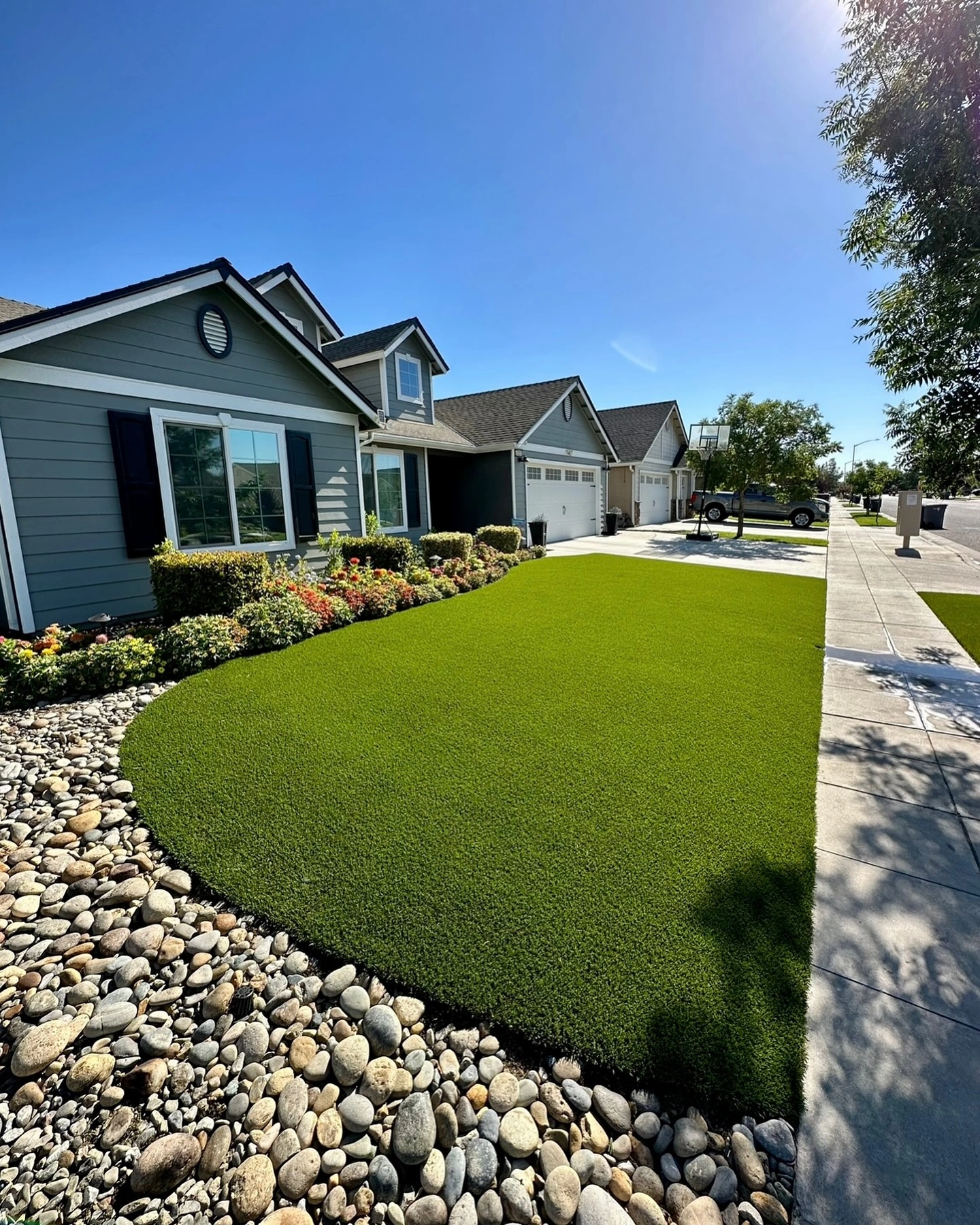
The first structural step is excavation and base creation, not the turf itself. In New York, soil conditions can shift between seasons. Clay, sand pockets, organic matter, and compacted subsoil behave differently when frozen or saturated.
We start by removing enough existing material to create room for stability. A base mixture is installed and compacted until it forms a sturdy foundation. The compaction isn’t guesswork—it’s engineered. The base must be dense enough that it won’t sink in high-traffic areas, yet porous enough to let water move through.
That dual purpose is what helps artificial grass feel reliable under everyday use. Instead of bouncing or sinking, the surface holds its shape.
Drainage Turns Turf Into a Real Surface
Real grass absorbs water into the soil. Turf has to move water through the system. So drainage becomes the infrastructure that forms the “soil” beneath synthetic fibers. Without it, water sits where it shouldn’t.
Here’s what proper drainage prevents:
- Odor caused by trapped moisture
- Soft zones that shift under pressure
- Mold or algae growth
- Freeze-thaw damage around seams
- Surface puddles after storms
New York experiences snow melt, unexpected downpours, and humid periods. A turf system must be ready for each of those, not just hot summer weekends. When we install a field of New York synthetic grass, we design the base to work like a filter: water goes down, spreads out, and disappears into the ground without lingering under the turf backing.
Seams Are More Than Lines on the Ground
You can think of seams like joints in a wooden floor. If they’re aligned correctly, you never notice them. If they’re rushed, they pull your eye every time you walk by.
The seam strategy starts with planning the layout. Panels must face the same direction so light reflects evenly across the fibers. We cut from the underside to protect the blades, use adhesives engineered for turf use, and apply weight during curing so bonds form properly.
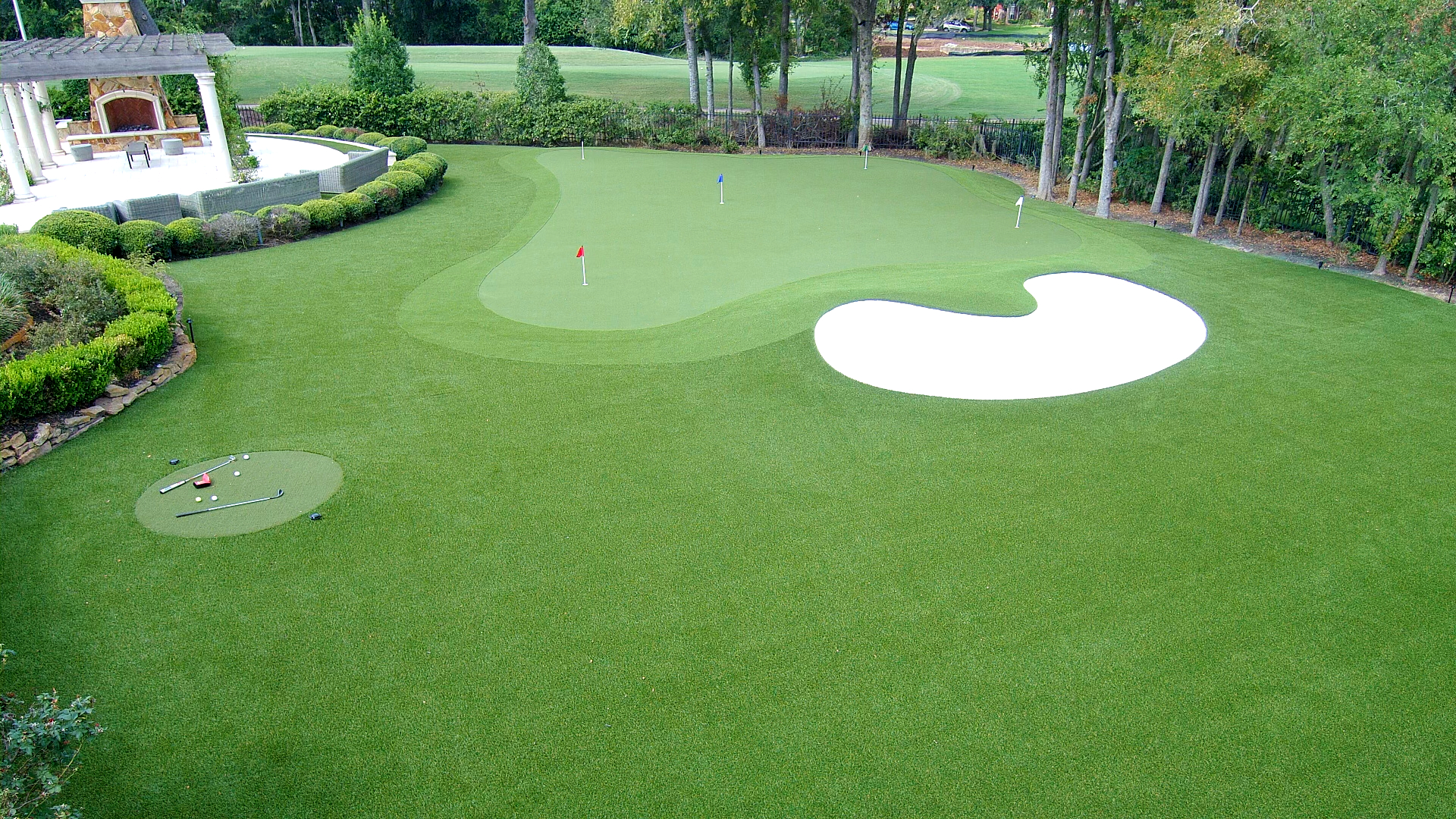
Done right, seams blend into the landscape. They don’t just stay connected; they stay quiet. You don’t see where one piece ends, and the next begins. That visual continuity is a big part of why New York synthetic turf looks convincing—not staged.
Infill: Small Granules, Big Purpose
Infill is one of the most misunderstood components. Many assume it’s cosmetic—just topping to fill space. In reality, infill does heavy work:
- Keeps blades upright
- Protects the turf backing
- Adds weight for stability
- Distributes pressure across the surface
- Helps turf feel cushioned underfoot
Once infill is applied, brushing lifts fibers apart and gives them a natural shape. This is the moment synthetic grass stops looking like a rolled surface and starts looking like a planted surface.
What Goes Wrong Without Proper Installation
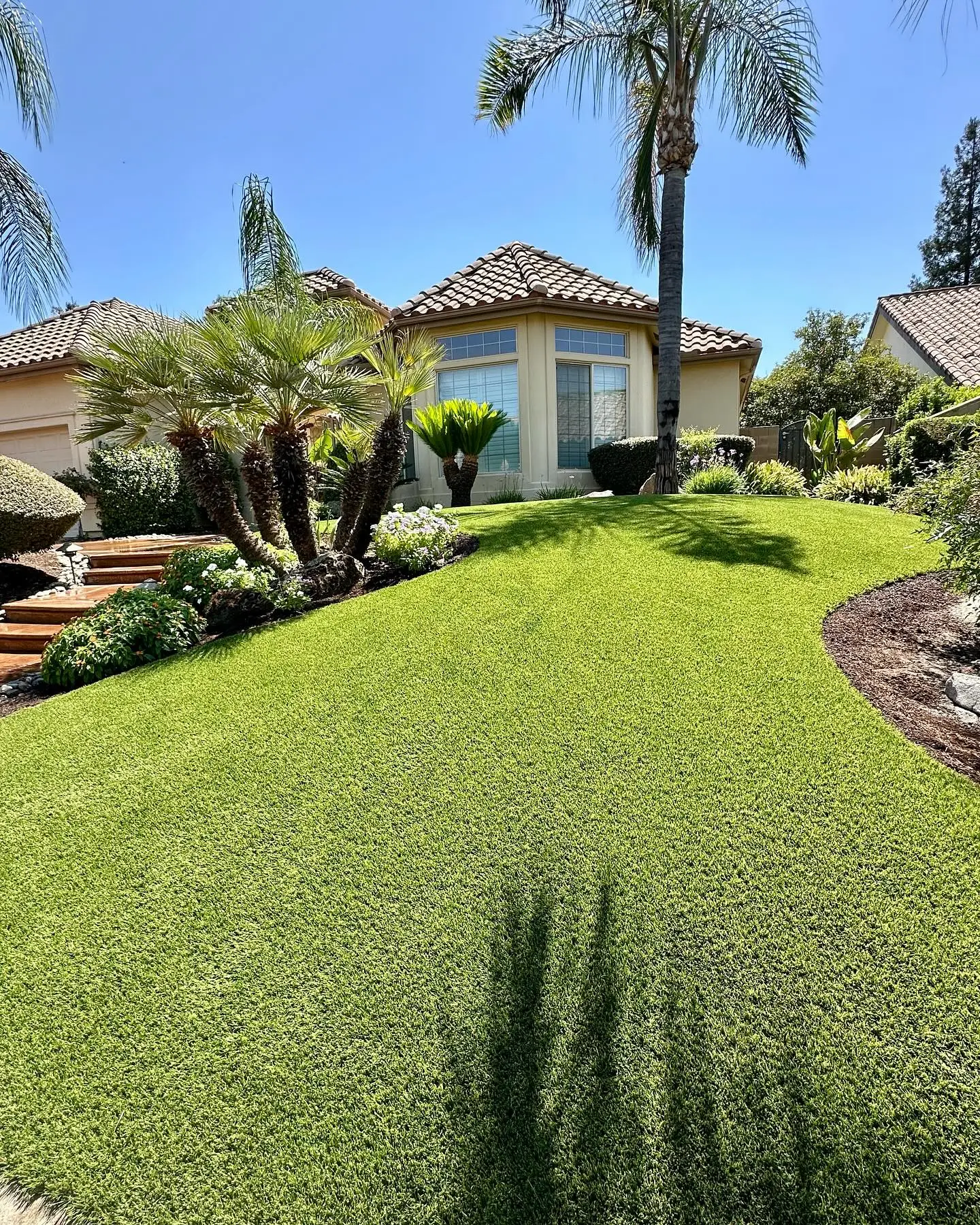
If the project is rushed, seasonal changes expose every weakness. In New York’s climate, the signs often appear quickly:
- Shallow base depth leads to dips
- seems to lift after freeze-thaw cycles
- Trapped water creates odor
- Wrinkles form after summer heat
- Edges curl where the adhesive failed
- Uneven sections develop under use
These aren’t material issues—they’re construction issues. Fixing them after the fact usually requires lifting the turf and rebuilding what wasn’t installed correctly.
How SYNLawn Approaches Installation Differently
We don’t treat two yards the same way. Shade patterns, slopes, soil density, drainage channels, and intended use all shape our installation plan. That matters in New York settings, where a backyard in Queens might behave differently from a courtyard in Yonkers.
Our method is built around precision:
- Measure excavation depth, don’t guess
- Compact the base in layers
- Engineer drainage, don’t rely on chance
- Align fiber direction from the start
- Bond seams intentionally
- Match infill to the space’s purpose
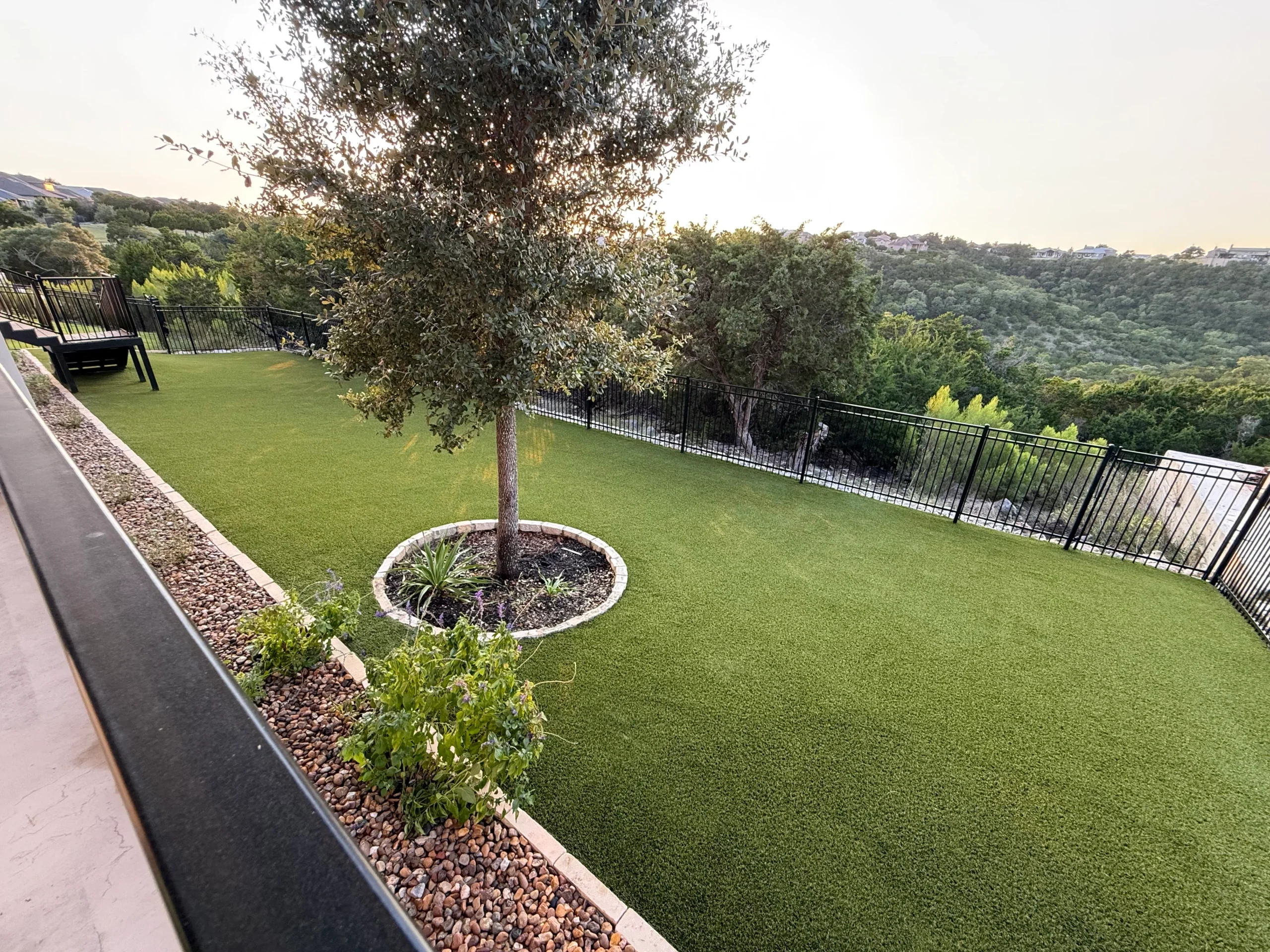
The result is a surface that looks good immediately but also keeps functioning across seasons. That’s how artificial turf becomes a reliable part of daily life—not a short-term project.
Choosing a Partner Who Understands the Craft
If you want to know whether an installer does it right, don’t ask what turf they use—ask how they build what goes under it. A professional should be able to walk you through each step with confidence.
Installation is an investment in reliability. It keeps your outdoor space functional, safe, clean, and consistent without constant maintenance. When installation is handled with expertise, your landscape stays enjoyable rather than becoming something you maintain. That’s the difference good craftsmanship makes. It’s why people who choose New York artificial grass and prioritize installation enjoy the value long after the work is done.